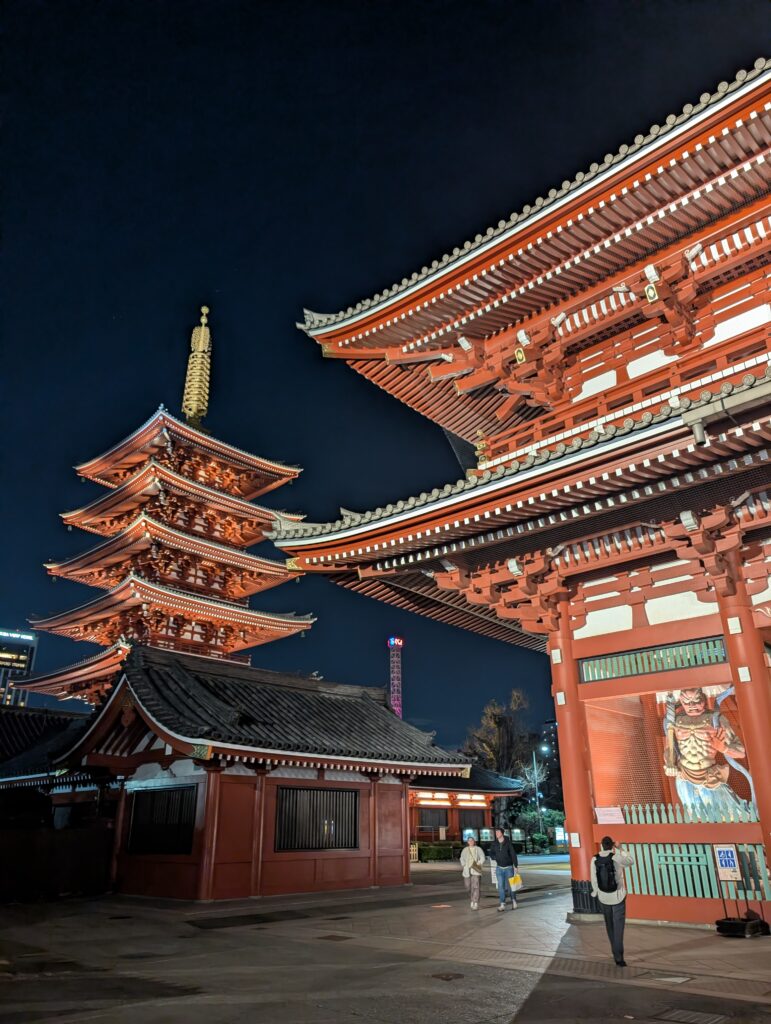
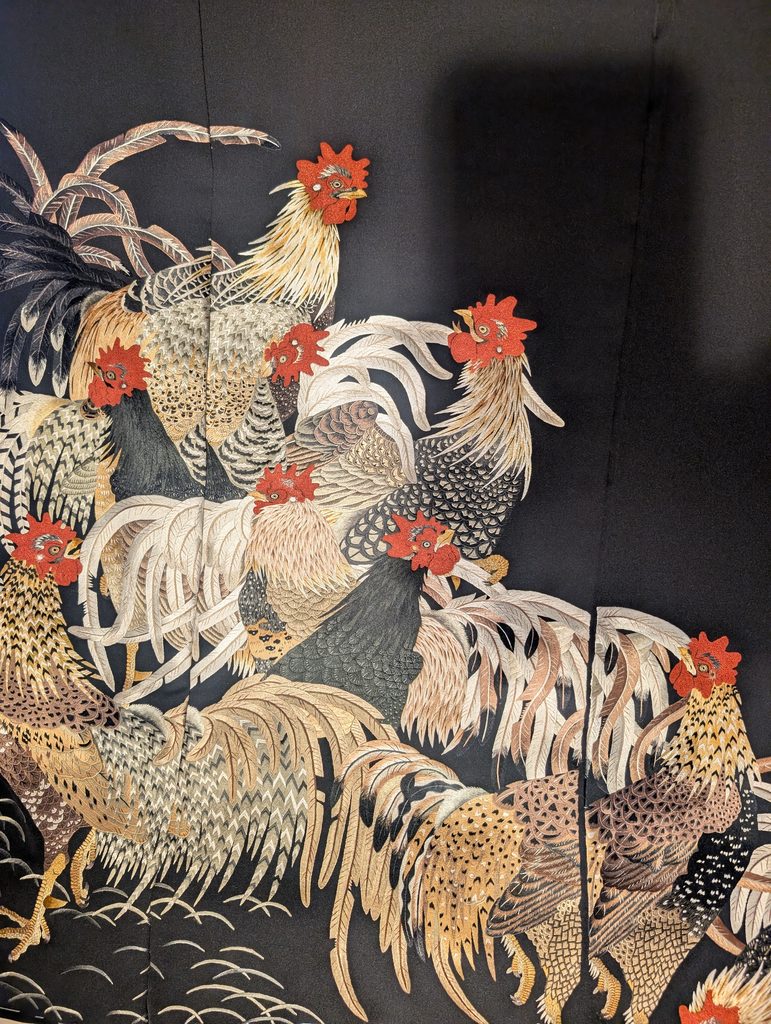
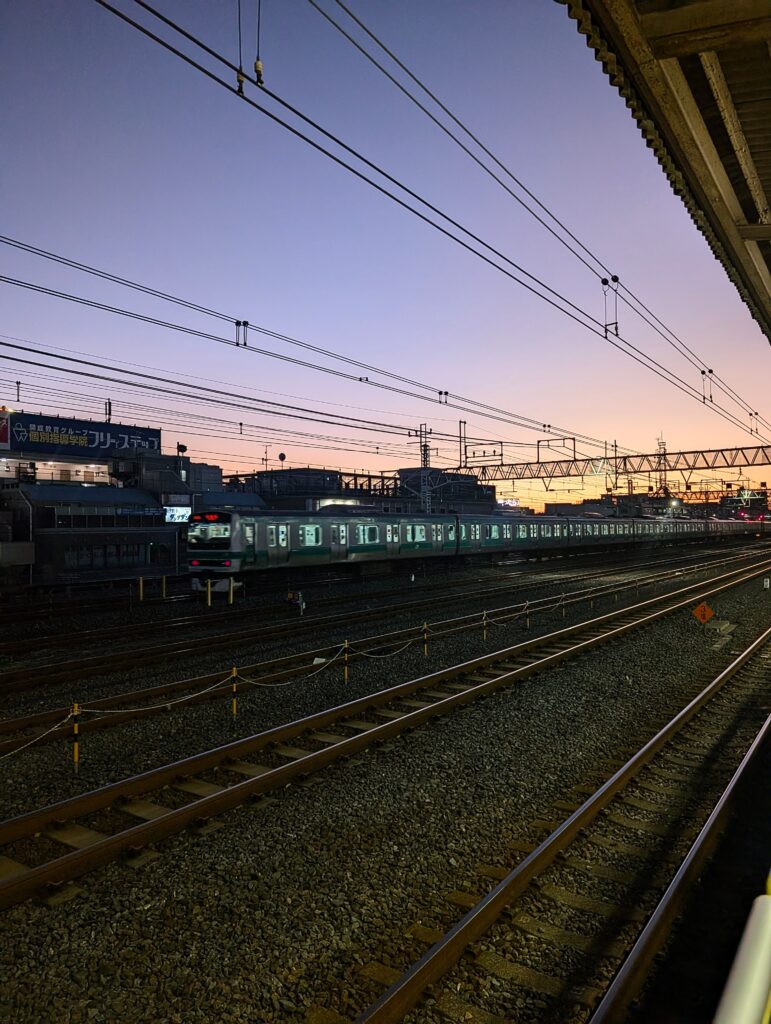
A day in Tokyo: be a part of the story
Step away from the crowded tourist streets and discover another side of Tokyo.
Come with me beyond the well-known sights, and experience the soul of the city through its quiet streets, timeless traditions, local craftsmanship, and everyday culture.
Together, we’ll trace Tokyo’s story back to the days of Edo—discovering how the spirit of that old city still lives on in the places, people, and ways of life you can encounter today.
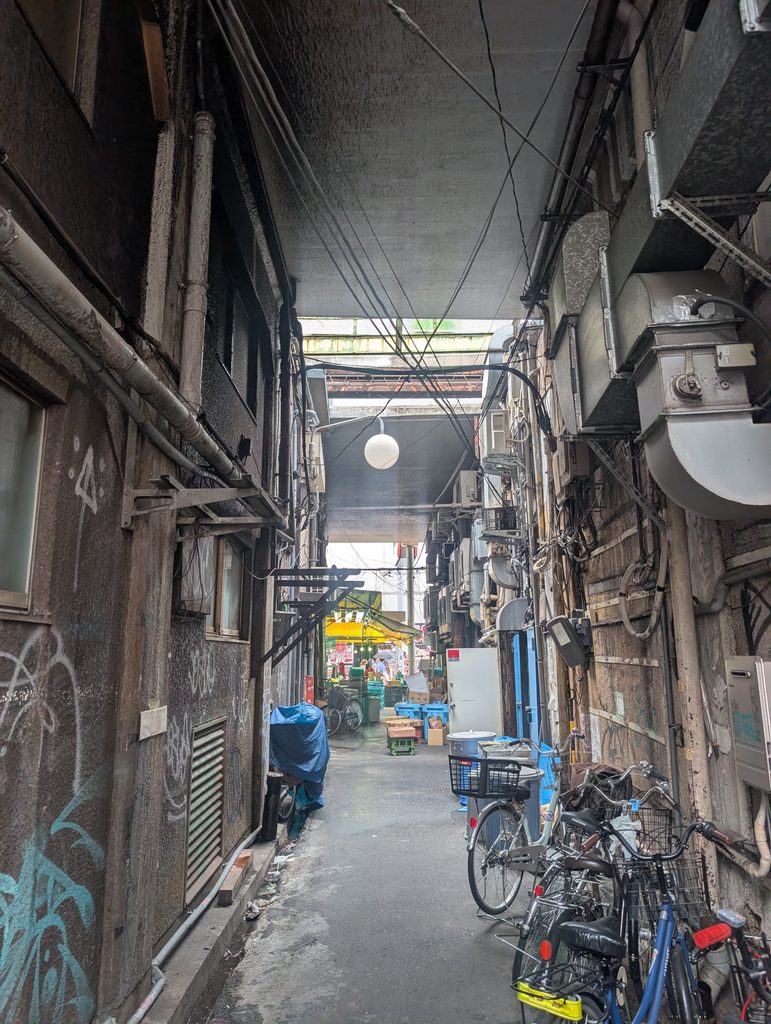
Three pillars
The Wildest, Most Authentic Japan
Japan is more than the places found in guidebooks. We take you beyond the expected and into the Japan that feels spontaneous, personal and unforgettable — from hidden neighbourhoods and local traditions to extraordinary food, landscapes and experiences. Your journey is shaped around what genuinely excites you, creating a Japan that feels discovered rather than simply visited.
Your Cultural Facilitator
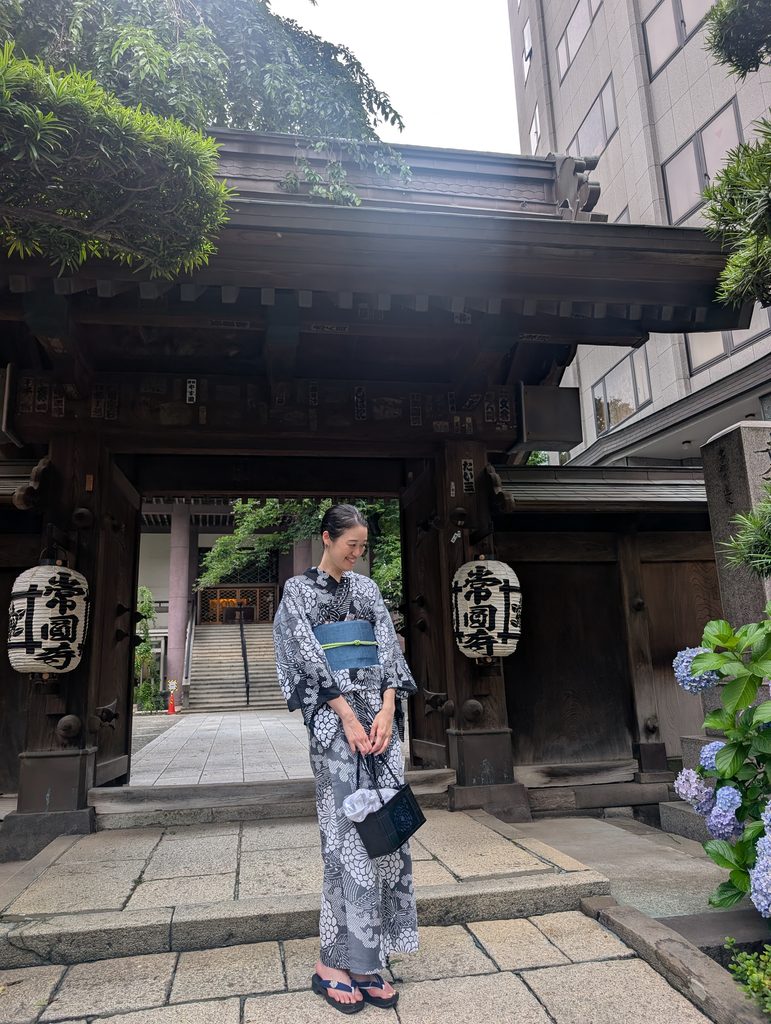
Ayaka is your bridge into Japan. Fluent in both English and Japanese, she brings a deep understanding of Japanese culture together with the local relationships and connections that make extraordinary experiences possible. Through her network, she can open the door to cultural opportunities and encounters that most visitors — and sometimes even locals — would never know how to access. She doesn’t simply guide you through Japan; she helps you experience it from the inside.
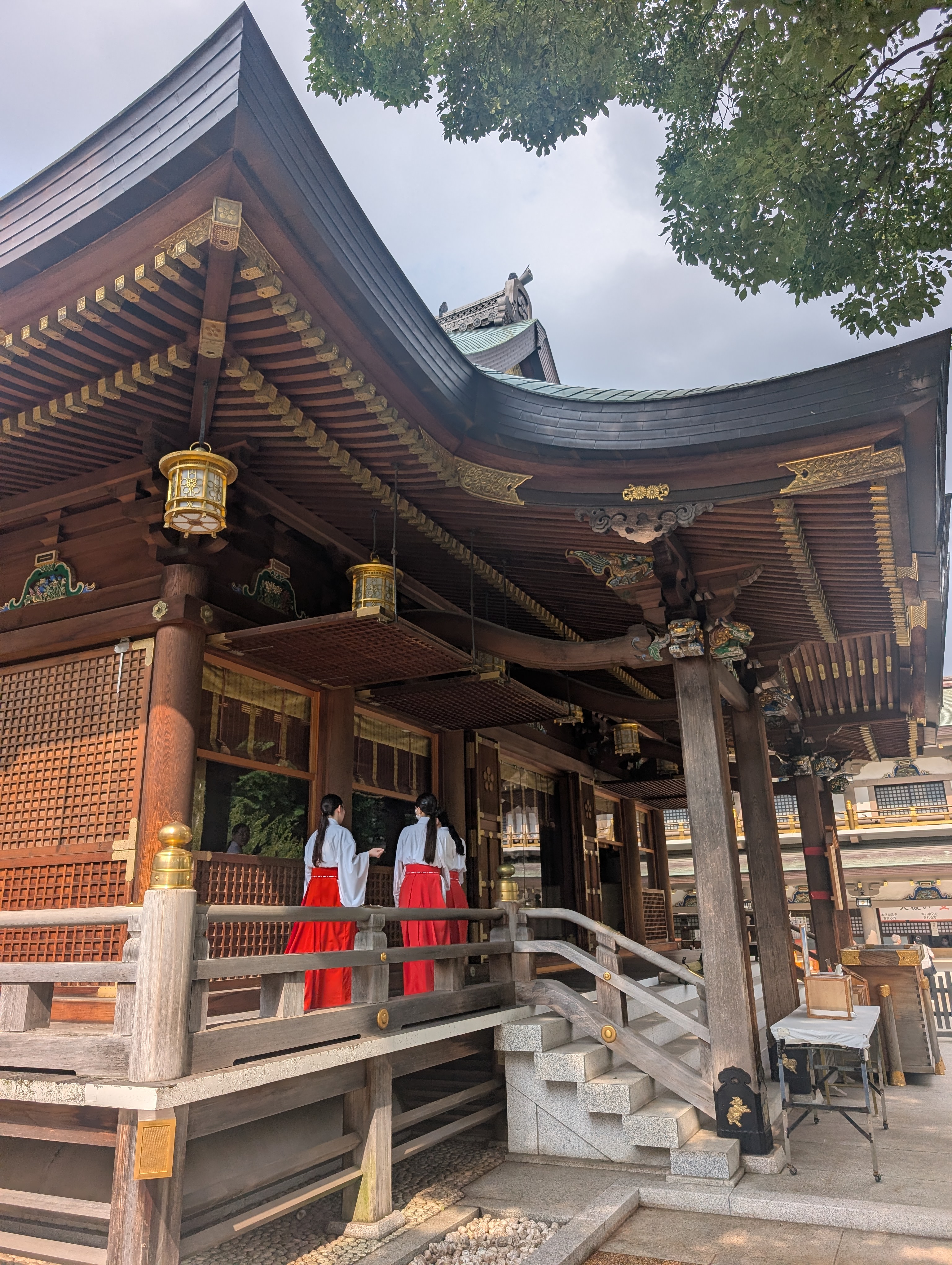
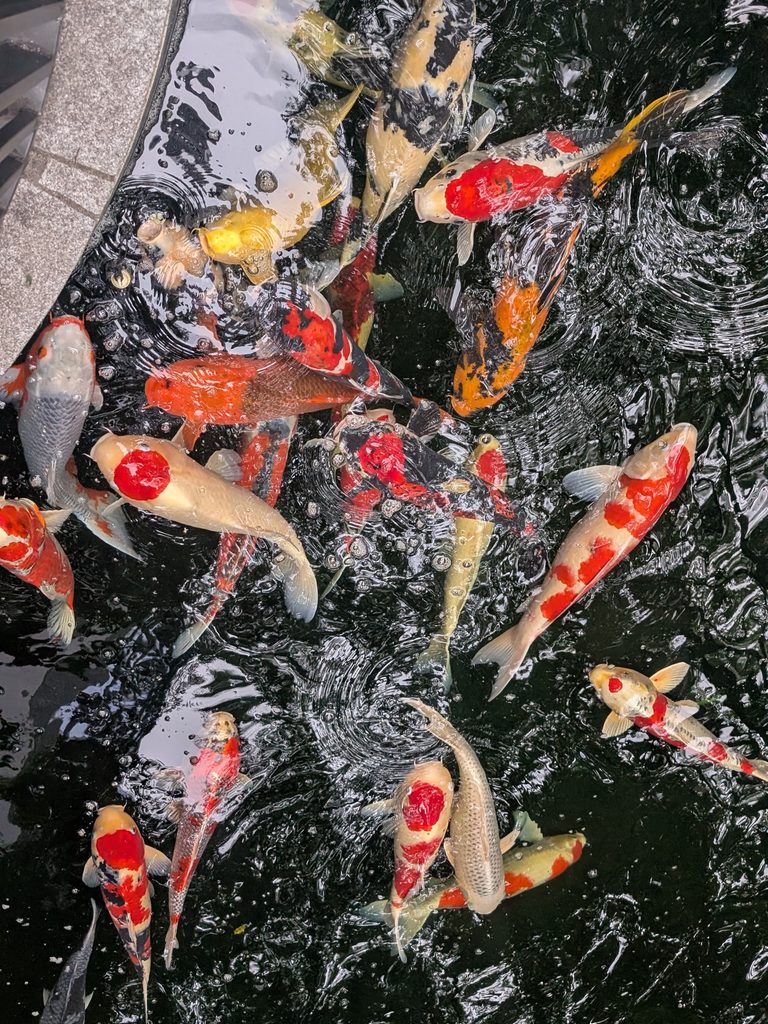
Everything Japan Has to Offer
From ancient traditions and contemporary culture to exceptional cuisine, art, nature, nightlife and the unexpected moments in between, we believe the perfect Japan tour shouldn’t be limited to one idea of what Japan is. These three pillars come together to create a journey that is entirely yours — carefully shaped around your interests, your curiosity and the kind of experiences you want to take home with you.
“This is Japan, experienced personally“
One day, as an example
Charles’s Tokyo Day — From Hawaii to a Personal Journey Designed Around His Interests
| What he was interested in | How I approached the planning | What we actually did |
|---|---|---|
| Small portions of different foods | Rather than planning one large meal, I looked for a way to experience a more local side of Tokyo through food. | He had hoped to try small portions of different foods, but we decided to slow down and enjoy a relaxed lunch instead. We walked through Yanaka Ginza, then spontaneously chose a small local restaurant for a fresh sashimi set meal. |
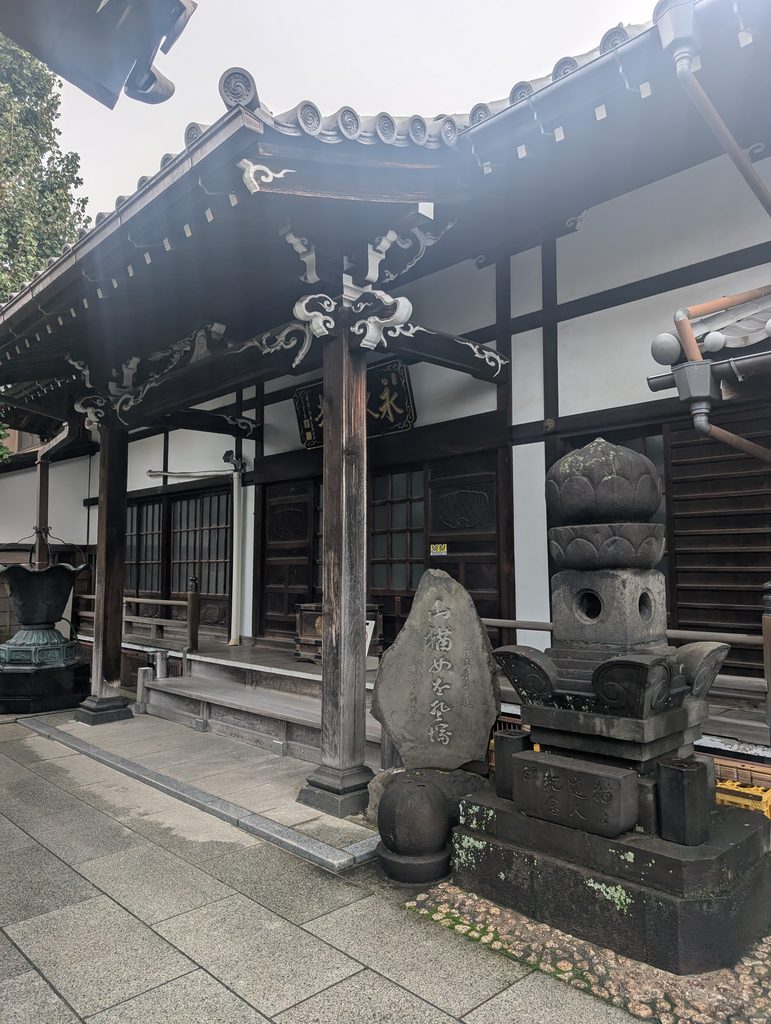
| Temples with a story | He said that after seeing several temples, they can sometimes start to look the same. He wanted to understand what makes each temple unique. | At Eikyu Temple, we explored its history, its connection to Zen, the grave of writer Kanagaki Robun, and the memorial for his pet wildcats, the Yamaneko Meoto-zuka. |
| The history behind temples and places | I chose places where the history itself could become part of the experience—not simply places to photograph. | At Yanaka Cemetery and Tennoji Temple, we talked about the temple’s long history, the remains of a once-famous pagoda, and the people connected to the cemetery. |
| Old Japanese architecture | He wanted to see the craftsmanship of old Japan, so I included places where the architecture and streets themselves tell a story. | We walked through old Yanaka, observing traditional buildings, small shops, and the character of a neighborhood that survived both the Great Kanto Earthquake and WWII air raids. |
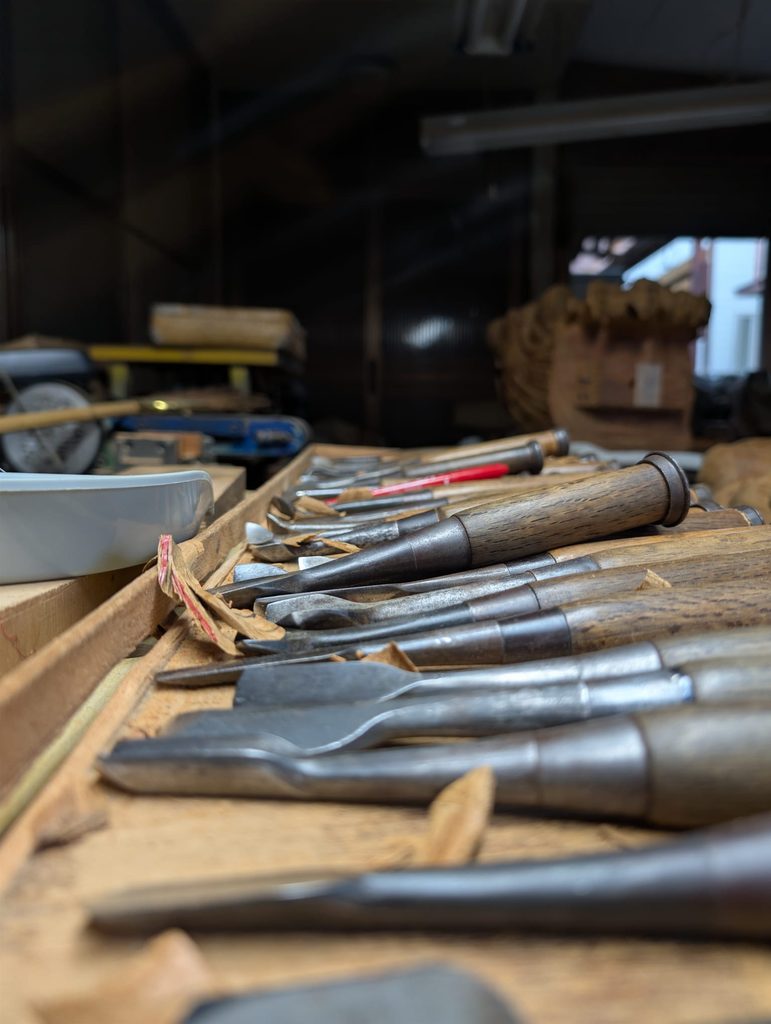
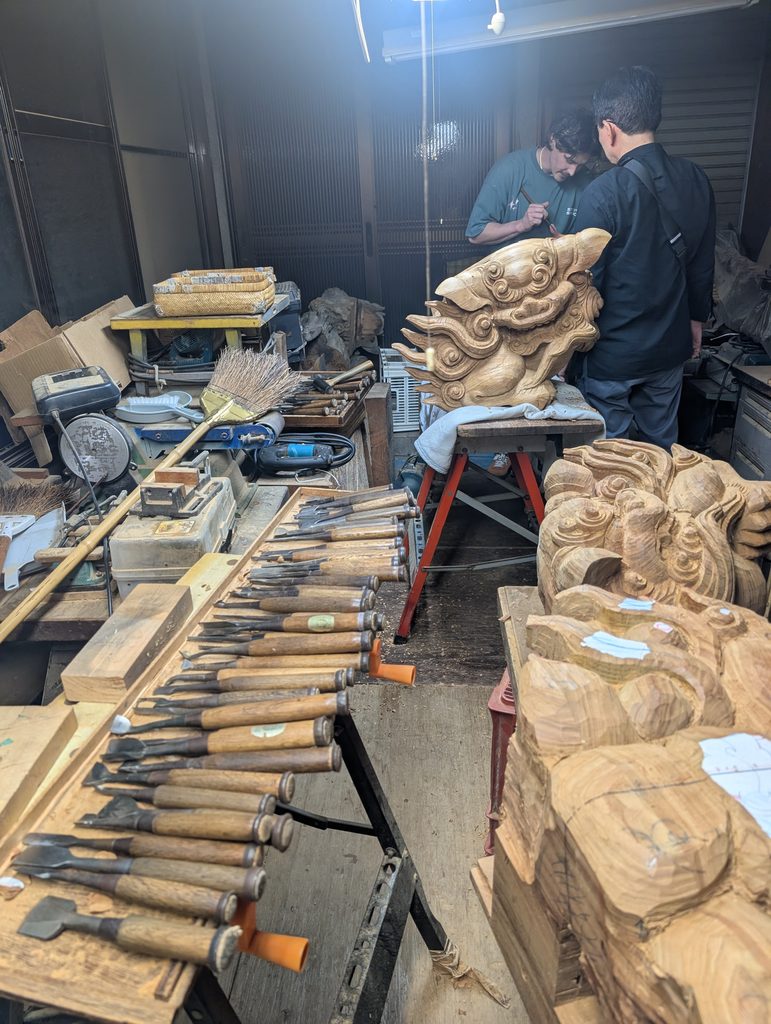
| Japanese craftsmanship | He preferred to observe rather than participate in a workshop. I therefore looked for opportunities to simply see the work and the space where it is made. | We visited Noh Mask Master’s studio, where he generously showed us his works. |
| An interest in Zen | Rather than turning every place into a “Zen lesson,” I shared Zen ideas when they naturally connected with the place or story. | The history of the temples, the changing landscape of Yanaka, and the people connected to these places became starting points for conversation. |
| Cats | One small detail I kept in mind while planning: He loves cats. | The cat memorial at Eikyu Temple turned out to be an unexpectedly perfect connection. We also kept an eye out for cats while walking through Yanaka. |
| A relaxed pace | I left space in the itinerary rather than filling every minute with sightseeing. | We stopped at a traditional Japanese coffee shop before continuing to the final destination. |
What made this journey personal?
This wasn’t a standard sightseeing itinerary built around Tokyo’s most famous attractions.
It started with a simple question:
What is this particular person curious about?
For Charles, the threads were:
Cat Lover × Japanese Craftsmanship × Old Tokyo × History × Zen
I then looked for places where those interests could naturally meet.
The result was not simply a list of places to visit, but a day designed around the person experiencing it.
A Note from Charles
It made this trip to Japan for me the best one yet!
Ayaka has a natural way of making people feel comfortable and listened to.
Nice balance of serious, deep thinking but with a great sense of humor☺
Always giving 100% percent.
About the guide Ayaka Furukawa
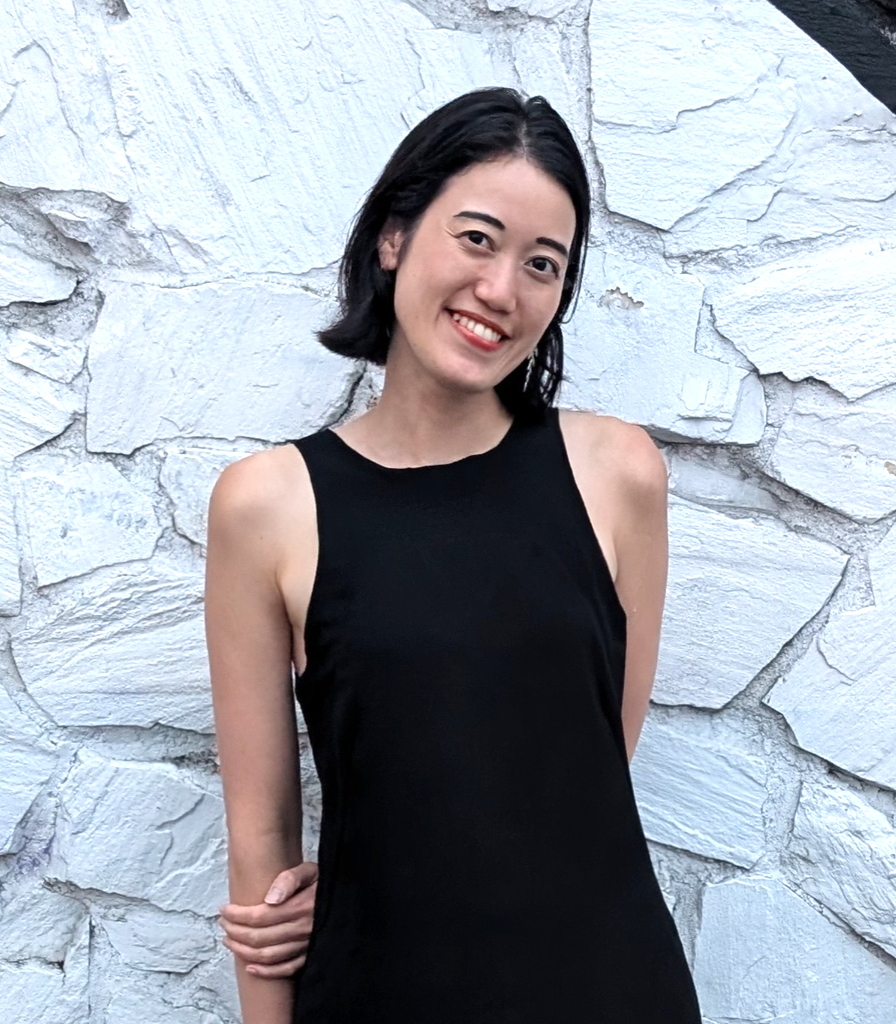
Life Design Coach / Japanese Cultural&Art Facilitator
Tokyo Personal Guide / Founder of Mon Way
After spending nearly a decade in the fashion industry in Japan, I moved to Canada on my own and founded Mon Way in 2026.
As a Life Design Coach and Author, I create coaching experiences, spaces, and time for people to discover and express their own unique “Mon” — their individual identity and beauty — and walk their own “Way.”
I support people in exploring their values and inner voice, asking themselves what it means to live authentically, and turning those insights into the way they choose to live.
At the heart of my work is a deep interest in Zen, Eastern philosophy, and the wisdom passed down through Japanese culture about how to live a more meaningful life.
As a Tokyo Personal Guide, I also introduce visitors from around the world to “another Tokyo” — a Tokyo that goes beyond the usual sightseeing destinations.
Through the history and culture woven into the city, traditional craftsmanship, food, art, and the Japanese aesthetics and spirituality that continue to live within everyday life, I design journeys around each person’s interests and curiosity.
Rather than simply “visiting Japan,” I want to create experiences that allow people to become part of Japan’s story.
While life coaching and introducing Japanese culture may seem like two different activities, they share the same foundation:
exploring how we live and what it means to live well through the lens of Zen and Eastern philosophy.
Background
After spending nearly ten years working in Japan’s fashion industry, I moved to Vancouver, Canada at the end of 2021, carrying with me my grandfather’s words:
“Let us become admirable Japanese people who can make their mark in the world.”
I arrived alone, without language skills or connections, and began rebuilding my life from scratch in a foreign country.
Along the way, I worked as a florist, writer, and interviewer, meeting people from many different countries and backgrounds,
and encountering a wide range of values and ways of life.
One question I kept returning to was:
“What does it mean to live authentically?”
After years of searching and experimenting, what remained was a deep sense of pride in being Japanese and a renewed connection to the spirit behind Japanese culture.
My father, who devoted himself passionately to judo and whose life was deeply rooted in Zen, gave me these words when I left Japan:
“Become a citizen of the Earth.”
Living outside Japan taught me that in order to become a citizen of the Earth, I first needed to understand who I was and where I came from.
Through my years abroad, I rediscovered the beauty of the spirituality woven into Japanese culture:
Caring for others and expressing gratitude.
Valuing harmony.
Continuing to cultivate oneself.
Putting one’s heart into whatever is right in front of you.
I believe these are universal forms of wisdom that can move people’s hearts beyond differences in nationality and culture.
In 2026, I founded Mon Way to give shape to this ongoing exploration.
“Mon” represents the unique beauty and individuality that each person carries within.
“Way” represents each person’s own path.
Find your own “Mon.” Walk your own “Way.”
On pricing
Pricing is quoted individually, based on the day we design together
— not a fixed package, but a day built for you.
As a general guide:
| Course | 1–2 guests | 3–4 guests |
|---|---|---|
| Half-day course (4 hours) | ¥30,000 (~USD200) | ¥50,000 (~USD333) |
| Full-day course (8 hours) | ¥55,000 (~USD367) | ¥80,000 (~USD533) |
※ Extensions are available at ¥7,000 (approx. $47) per additional hour (up to a maximum of 6 hours for the half-day course, and 10 hours for the full-day course).
※Admission, transportation, and meal costs are not included and are billed separately at actual cost. Please feel free to reach out with any questions.
※USD amounts are estimated at 1 USD = ¥150. The actual exchange rate fluctuates, so please confirm the current rate before payment.
Cancellation Policy
| Notice given | Cancellation fee |
|---|---|
| 7+ days before | Free |
| 3–6 days before | 50% of the fee |
| 1–2 days before | 80% of the fee |
| Day-of / no-show | 100% of the fee |
Regardless of the above, any already-arranged or already-paid costs — admission, transportation, meals, and the like — may be billed separately at actual cost.
If the tour must be cancelled due to circumstances on the guide’s side (illness, an emergency, etc.), the full amount paid will be refunded. Wherever possible, I will also do my best to arrange an alternative date.
Questions
Do you only guide in Tokyo?
I mainly guide in Tokyo, but nearby areas are also possible.
For anywhere further afield, please get in touch to discuss.
What languages do you guide in?
I guide in Japanese and English.
How many guests can you guide?
I keep groups small — typically one to four guests.
How far in advance should I book?
This depends on the day, but I recommend reaching out at least two to three weeks ahead.
May your time in Japan become a story unlike any other
Still deciding, or just have a question first?
Have your dates in mind and ready to book?